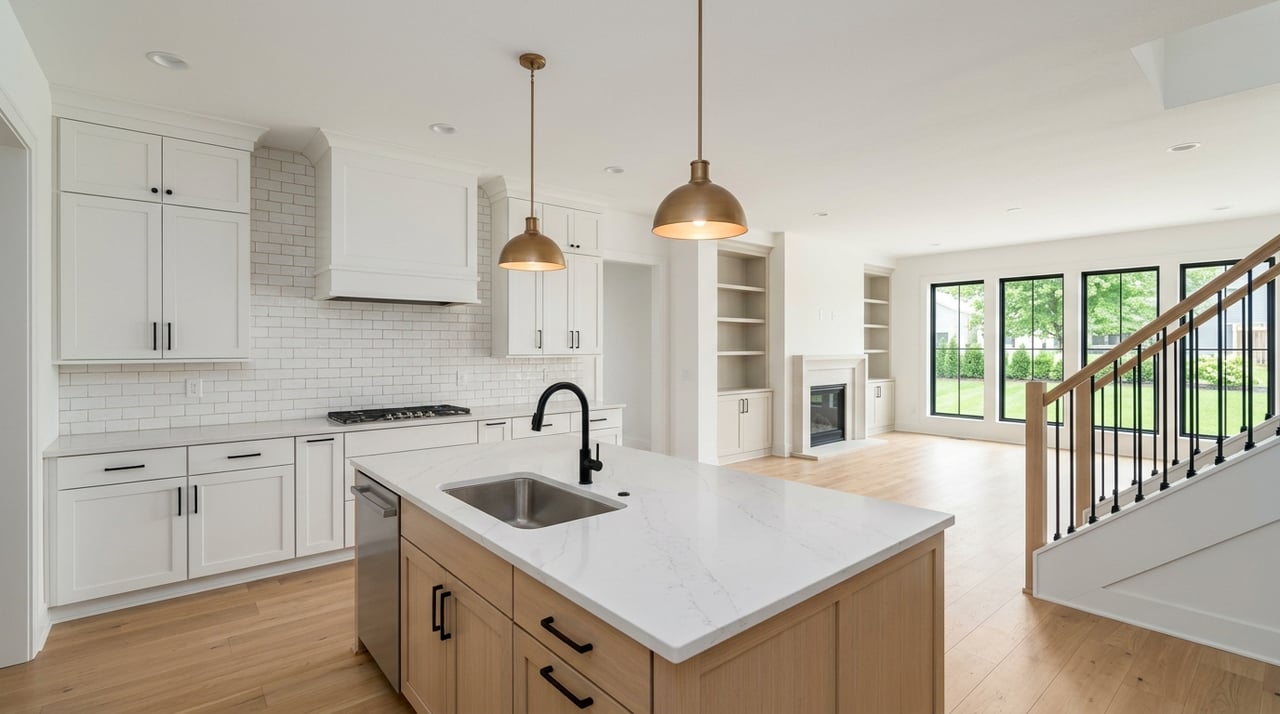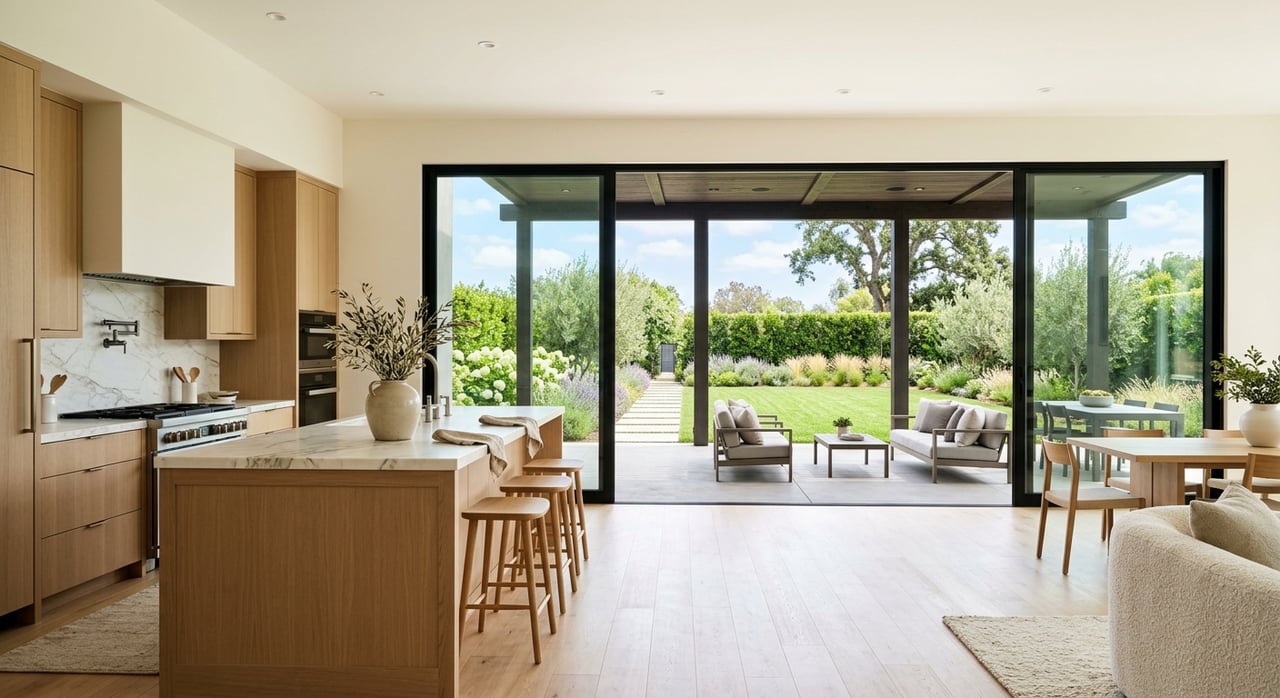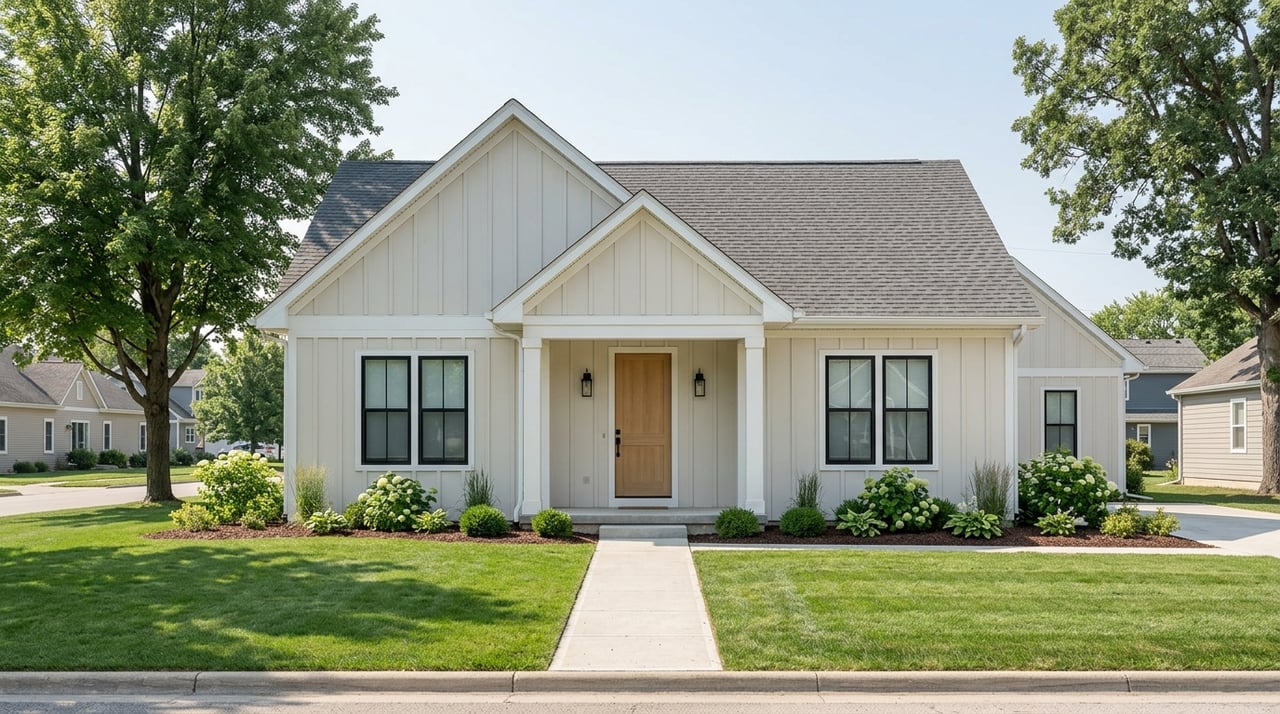
Wondering whether you’d be happier in town, in a smaller community, or out on a little more land in Dubuque County? That choice shapes your daily routine, your budget, and the kind of home maintenance you take on. The good news is that Dubuque County gives you real variety, from compact city neighborhoods to small-town streets to rural acreage. Let’s break down what each lifestyle can look like so you can narrow your search with more confidence.
How Dubuque County Gives You Options
Dubuque County had an estimated population of 99,242 in 2024, and its housing stock leans heavily toward single-unit owner-occupied homes. Countywide, 73.3% of occupied housing units were owner-occupied, the median owner-occupied home value was $237,300, and the median year built was 1971.
This is also a county where driving is still part of daily life for most people. The mean travel time to work was 17.1 minutes countywide and 14.8 minutes in the City of Dubuque. For many buyers, that opens up more flexibility because living a bit farther out may still keep day-to-day travel manageable.
A simple way to think about the market is in three categories:
- In-town Dubuque for smaller lots and a denser amenity mix
- Smaller communities for a middle ground between city living and acreage
- Rural properties for more land, more privacy, and different property considerations
In-Town Dubuque Living
If you want easier access to parks, trails, and city amenities, living in Dubuque may be the best fit. The city has a more compact residential pattern, and that shows up in zoning and lot sizes.
In Dubuque’s residential zoning, the R-1 single-family district allows a 5,000-square-foot lot for a single-family detached home. The R-2A district allows 2,500-square-foot lots, and the R-4 district allows multi-family density at 2,000 square feet per dwelling unit. In practical terms, that can mean homes are closer together and neighborhoods feel more connected to surrounding amenities.
The City of Dubuque also maintains more than 1,200 acres of parkland, more than 300 park facilities, and a 43-mile bike and hike trail system. That trail network connects neighborhoods, the riverfront, and recreation areas, which is a major draw if you want outdoor access without needing a large yard.
What pricing can look like in Dubuque
One of the biggest misconceptions about living in town is that it all falls into one price range. In reality, local data shows a wide spread depending on the age of the home and its location.
The City of Dubuque’s FY2026-2030 Consolidated Plan reported a median home value of $178,000. That same report showed median values of $128,100 for homes built before 1939 and $312,200 for homes built between 2010 and 2019.
That matters because two homes in Dubuque can offer very different experiences. An older home may come with more character and a lower price point, while a newer or updated home may offer a different maintenance profile and a higher price.
Who often prefers city living
In-town living can make sense if you want:
- Smaller lots to maintain
- Closer access to trails, parks, and city amenities
- More housing variety by age, style, and price point
- Shorter average commute times within the county
If convenience and amenity access are high on your list, Dubuque gives you a strong urban-style option without the travel times many larger metros bring.
Smaller Communities Offer a Middle Ground
If you want more space than the city often provides, but you are not ready for full rural living, Dubuque County’s smaller communities can be a smart middle path. County listings include communities such as Asbury, Peosta, Dyersville, Epworth, Farley, and Cascade.
These areas often center on single-family homes, local parks, and relatively short drives into Dubuque. For many buyers, that creates a nice balance between breathing room and convenience.
Asbury
Asbury sits next to the west side of Dubuque and describes itself as a fast-growing residential community. The city highlights parks, trails, and neighborhood recreation spaces.
In Peosta’s 2025 housing study, Asbury had the highest median home value in the peer-city comparison at $312,400. That suggests buyers looking in Asbury may find a more premium price point compared with other nearby small communities.
Peosta
Peosta is about 10 miles from Dubuque and offers a blend of residential growth and employment access. The city highlights more than 2,000 industrial-park jobs, an average of 26 new homes built per year, and a low consolidated tax rate for cities over 1,000 people.
Its R-1 zoning requires 7,500-square-foot lots for single-family homes, which points to a less compact layout than the City of Dubuque. The 2025 housing study placed Peosta’s median home value at $304,600.
Dyersville
Dyersville offers a stronger small-city amenity package than some buyers expect. The city has 100 acres of park and recreation land, along with an aquatic center, trails, courts, fields, and other recreation programs.
Its median home value in the 2025 housing study was $219,800. That puts Dyersville in a more moderate position on the county’s local price ladder.
Epworth
Epworth sits along four-lane US Highway 20, about 15 miles from Dubuque. The city notes local utility services and community recreation features, and its highway access may appeal to buyers who want a small-town setting with a straightforward drive.
The 2025 housing study placed Epworth’s median home value at $229,200. For some buyers, that may feel like a practical balance between access, space, and price.
Cascade
Cascade is located on Highway 151 between Dubuque and Cedar Rapids. The city describes itself as a small community with amenities, businesses, education, and dining.
In the 2025 housing study, Cascade’s median home value was $196,100. Among the communities highlighted in that comparison, Cascade came in at the lower end of the range.
Rural Living Changes the Equation
If land, privacy, and separation from neighbors matter most to you, rural living may be the right fit. In Dubuque County, these properties operate under a different zoning framework than homes inside city limits.
The county’s rural-residential R-2 district is intended for 1-acre subdivisions near cities or half-acre lots where central water and sewer are available. The ordinance also specifically references shared wells and individual septic systems.
That is important because a rural home search is not just about the house itself. Utility setup, septic systems, water access, and lot-specific maintenance all become part of your decision-making.
What to expect with acreage properties
County housing data shows that 94.5% of owner-occupied units were in one-unit structures. That lines up with a market where detached homes remain the norm, especially outside denser city areas.
Compared with an in-town lot, rural properties often mean:
- Larger parcels
- More separation between homes
- More outdoor upkeep
- More property-specific due diligence
- Different utility and infrastructure considerations
For the right buyer, that trade-off is worth it. You may gain space and privacy, but you also take on a property that usually needs a closer look before you buy.
Comparing the Three Lifestyles
If you are trying to decide where to focus your search, it helps to look at the trade-offs side by side.
| Lifestyle | Typical Fit | What Stands Out |
|---|---|---|
| In-town Dubuque | Buyers who want amenities and smaller lots | More compact zoning, broad housing variety, strong park and trail access |
| Smaller communities | Buyers who want more space without going fully rural | Mostly single-family homes, community amenities, short drives to Dubuque |
| Rural properties | Buyers who prioritize land and privacy | Larger parcels, different utility setups, more lot-specific maintenance |
None of these options is automatically better than the others. The best choice depends on how you want to live day to day.
How to Use Price Data the Right Way
Price matters, but comparing one area to another is not always a simple apples-to-apples exercise. Local reports use different methods, timeframes, and property mixes, so the numbers work best as directional benchmarks.
A useful snapshot from the research looks like this:
- City of Dubuque median home value: $178,000
- Dubuque County median owner-occupied value: $237,300
- Peer-city medians ranged from $196,100 in Cascade to $312,400 in Asbury and $304,600 in Peosta
- Countywide spring 2026 market trackers placed average home value around $275,059 and median sale price around $259,000
These figures show that the county does not move in a perfect line from cheapest in town to most expensive in the country. Some smaller communities may price above the city, while some city neighborhoods may offer lower entry points than buyers expect.
A Practical Way to Choose
If you are still torn between town and country living in Dubuque County, start with your everyday priorities rather than the listing photos. Ask yourself what matters most when you think about the next five to ten years.
You may want to think through questions like these:
- Do you want a smaller lot with less yard work?
- Do you want more distance between homes?
- How important are trails, parks, or nearby amenities?
- Would you rather have a short drive to Dubuque or be closer to open land?
- Are you comfortable evaluating septic, well, or other rural property details?
When you answer those questions honestly, your search usually becomes clearer. You are not just choosing a house. You are choosing a routine, a maintenance level, and a setting that fits how you want to live.
If you want help sorting through city homes, small-town options, or rural acreage in Dubuque County, Rose Bowen-Conlon can help you compare the trade-offs and find the right fit for your goals.
FAQs
What is the difference between living in Dubuque and living in rural Dubuque County?
- Living in Dubuque usually means smaller lots, closer access to parks and trails, and a more compact neighborhood pattern. Rural Dubuque County typically means larger parcels, more space between homes, and more attention to utilities such as wells or septic systems.
Which Dubuque County communities offer a middle ground between city and country living?
- Communities like Asbury, Peosta, Dyersville, Epworth, Farley, and Cascade can offer that middle ground, with mostly single-family housing, local amenities, and relatively short drives into Dubuque.
Are home prices in Dubuque County always lower in the city than in smaller towns?
- Not always. Local data shows the City of Dubuque had a median home value of $178,000, while peer-city medians ranged from $196,100 in Cascade to $312,400 in Asbury, so price can vary widely by location and housing type.
What should buyers know about rural acreage in Dubuque County?
- Buyers should expect more property-specific due diligence. County rural-residential zoning references larger lots as well as shared wells and individual septic systems, so utility setup and maintenance are important parts of the buying process.
Is Dubuque County a good fit for buyers who commute by car?
- County data suggests driving is a normal part of daily life in the area. The mean travel time to work was 17.1 minutes countywide and 14.8 minutes in the City of Dubuque, which may give buyers flexibility when choosing between town, small-town, and rural locations.