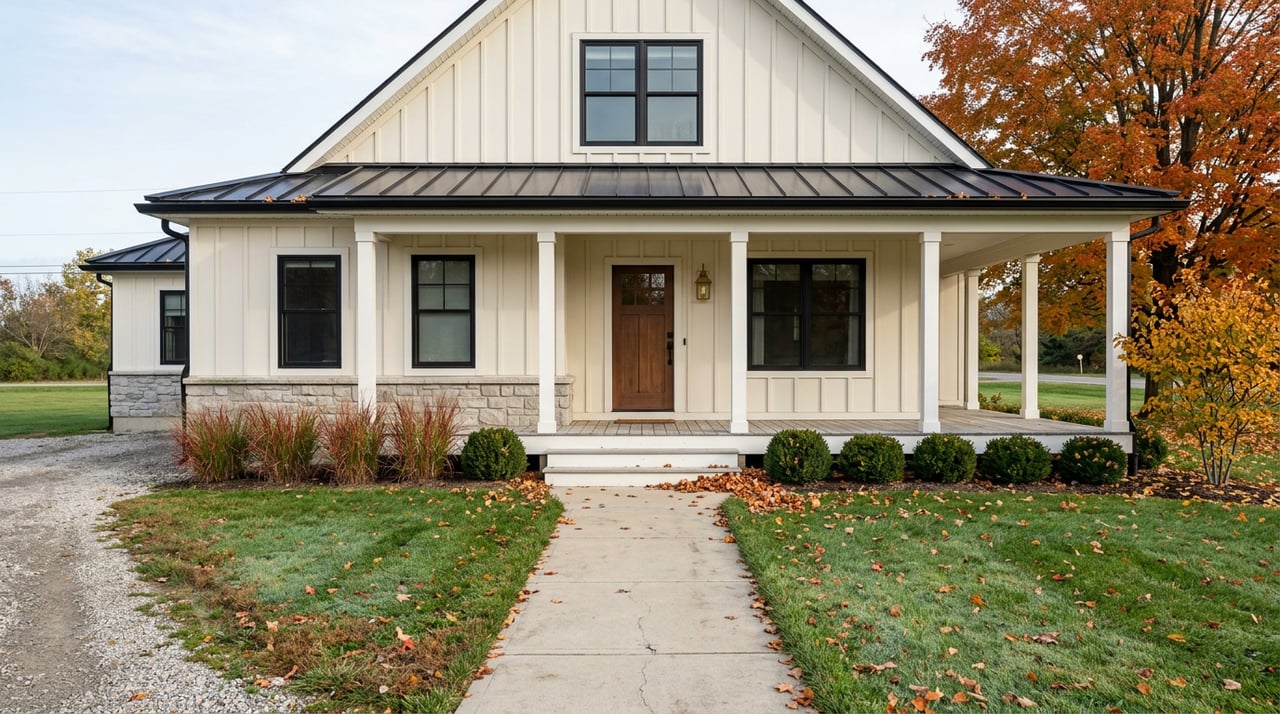
Thinking about calling Dubuque County home? Maybe you want river views, small‑town charm, or a little extra land and privacy. It can be tough to picture daily life from a distance, so let’s make it simple. In this guide, you’ll learn how the county is laid out, what everyday essentials look like, and how housing, commutes, and amenities fit your plans. Let’s dive in.
Dubuque County at a glance
Dubuque County sits along the Mississippi River on Iowa’s eastern edge. The city of Dubuque is the hub for jobs, culture, and services, while smaller towns and rural areas unfold to the west. You get a mix of riverfront urban living, suburban neighborhoods, classic small towns, and open countryside.
The local economy includes manufacturing, health care, education, retail, tourism, and agriculture. You will find a four‑season climate with cold, snowy winters and warm, humid summers, which affects driving, home maintenance, and recreation. Many households value the shorter commutes compared to large metros and the variety of housing options across the county.
Neighborhood styles and feel
You can choose among urban, suburban, small‑town, or rural settings, often within a short drive of each other.
City of Dubuque living
Dubuque offers a historic downtown and riverfront with walkable districts, museums, theaters, and regular cultural events. Older neighborhoods feature Victorian and early 20th‑century homes, plus some lofts and apartments. If you like being close to restaurants, cafés, and city services, living in or near downtown can be a fit.
Suburbs: Asbury, Peosta, Epworth
Suburban communities around Dubuque have newer subdivisions, parks, and convenient access to the city’s job centers. Homes often include yards, driveways, and modern floor plans. You may find a calmer pace while staying close to shopping and services.
Small towns and river communities
Places like Dyersville and other small incorporated towns offer local businesses, community events, and a slower daily rhythm. Some communities have tourism draws tied to regional heritage. Services can be limited in town, so residents often drive to Dubuque for specialized care or bigger shopping trips.
Rural and acreage living
Rural areas span farms and rolling hills. Privacy, space for hobbies, and outdoor time are top perks. Expect longer drives for groceries and appointments, and plan for different utility setups, such as wells and septic systems.
Daily life essentials
Knowing where schools, jobs, transit, health care, and recreation fit in your routine helps you choose the right spot.
Schools and education
Public K–12 options include the Dubuque Community School District and several smaller districts. You also have parochial and private school choices. Program offerings, transportation, and extracurriculars vary by school and district, so it is wise to verify details and boundaries directly with the district.
Higher education options in Dubuque add cultural events, continuing education, and sports to the calendar. These institutions also support local employment and can increase rental demand nearby.
Jobs and employers
Manufacturing and advanced manufacturing, health care and social assistance, education, retail, and tourism anchor the job market. Many residents commute within the county or to nearby employment centers. Transit is most useful within the city, while suburban and rural residents tend to rely on cars.
Getting around and travel
State and U.S. highways connect Dubuque County to nearby Iowa cities and to Illinois and Wisconsin across the river. Local bus service operates in the city, and regional intercity buses may serve the area. The Dubuque Regional Airport offers regional flights, and some travelers use larger hubs for wider flight choices. When you tour homes, try drive times during your typical commute hours to gauge real‑world travel.
Health care access
You have local hospitals and clinics offering primary, emergency, and some specialty care. For specialized services, residents sometimes travel to larger regional medical centers. If consistent medical care is a priority, map out providers near the neighborhoods you are considering.
Recreation, culture, and amenities
Outdoor options range from river access to county parks, trails, and greenspaces for hiking, boating, fishing, and winter activities. Cultural life includes museums, theaters, festivals, live music, and farmers markets. Shopping spans local boutiques to national retailers, with more choices in city hubs and essentials available in most towns.
Housing and cost considerations
Dubuque County offers a wide range of homes, from historic properties to new construction.
Home styles and options
You will find historic single‑family homes in older city neighborhoods, 20th‑century bungalows and ranches, newer suburban builds, farmhouses, and some downtown lofts or condos. Ownership rates are typically higher than in large metros, and rentals are more common in the city and near colleges. When comparing homes, factor in age, maintenance needs, and energy efficiency.
Affordability and market pace
Historically, the area has been more affordable than many large metro markets, which can work well for first‑time buyers, move‑up buyers, and downsizers. Market tempo changes throughout the year, and inventory varies by neighborhood. If you are weighing new construction versus resale, consider trade‑offs between modern systems, lot size, character, and renovation plans.
Taxes and utilities
Property taxes depend on assessed value, local levies, and available exemptions. Sales tax rates include the state base and local add‑ons. Utility setups vary by location. City and suburban homes often have public water and sewer, while rural homes may use wells and septic systems. Ask about average utility costs, age of mechanicals, and any recent replacements.
Day‑in‑the‑life snapshots
A few quick vignettes can help you picture the pace and feel of different choices.
Downtown professional
You start the day with a short commute or a quick bus ride to work in Dubuque. Lunch is a walk to a local café, and after work you catch a show or a museum event. Weekends include a riverfront walk, farmers market, and an easy hop to trails.
Suburban household
Mornings begin on a quieter street with a backyard for play or pets. You drive 10 to 20 minutes to work depending on route and traffic. Evenings are for neighborhood parks and errands, with quick access to big‑box shopping or city dining when you want it.
Rural retreat
You enjoy sunrise over rolling fields and space for gardening, hobbies, or equipment. Your drive is longer for groceries and appointments, so you plan errands together. Weekends might be fishing, hunting, or trail time, with a day trip into Dubuque for dining and arts.
Practical move checklist
Use this list to plan a smooth transition.
- Verify school boundaries, transportation, and program offerings with your district.
- Confirm commute times by testing routes during peak hours.
- Ask for recent utility bills and details on heating systems and insulation.
- For rural homes, schedule well and septic inspections and review maintenance timelines.
- Review snow removal expectations, driveway access, and equipment needs for winter.
- Check broadband and cell coverage by provider for your exact address.
- Confirm tax estimates with the county assessor and factor exemptions.
- Price out homeowners insurance and any flood insurance if you are near waterways.
Pros and trade‑offs
Every area offers benefits and considerations. Think about what matters most day to day.
City living
- Pros: walkability to dining and arts, shorter in‑town commutes, historic charm.
- Trade‑offs: older homes may need updates, more street activity, limited yard space.
Suburban neighborhoods
- Pros: newer homes, parks and yards, easy access to city services.
- Trade‑offs: car dependence for most errands, HOA covenants in some subdivisions.
Small towns
- Pros: close‑knit feel, local businesses, slower pace.
- Trade‑offs: fewer local services, drives to Dubuque for specialized care.
Rural areas
- Pros: privacy, acreage, outdoor recreation at your doorstep.
- Trade‑offs: longer drives, additional maintenance, different utilities.
How a local advisor helps
Choosing between a downtown loft, a newer subdivision, or acreage is easier with local guidance. A trusted advisor helps you weigh commute routes, utility setups, school options, and market timing by neighborhood. You get clarity on renovations, resale factors, and how to structure a winning offer in today’s conditions.
If you are curious about where your goals fit in Dubuque County, connect with a local expert who works across city, suburb, and rural properties. For boutique, hands‑on guidance backed by strong marketing and tri‑state experience, reach out to Rose Bowen-Conlon. Let’s map your options and, if you are selling, get your free home valuation.
FAQs
What is everyday life like in Dubuque County, IA?
- You will find a mix of riverfront city amenities, suburban neighborhoods, small‑town charm, and rural privacy, all within a county known for practical commutes and four‑season living.
How are commutes and transit in Dubuque County?
- Many residents drive to jobs within the county, local bus service mainly covers the city, and rural households are typically car‑dependent, so test your route during peak hours.
What types of homes are common in Dubuque County?
- Options include historic homes in older city neighborhoods, 20th‑century bungalows and ranches, newer suburban builds, farmhouses, and some downtown lofts or condos.
What should buyers know about utilities and maintenance?
- City and suburban homes often have public water and sewer, while rural properties may use wells and septic systems, so budget for inspections, replacement timelines, and seasonal upkeep.
How is healthcare access in Dubuque County?
- You have local hospitals and clinics for primary and emergency care, with some specialty services available in the county and others offered at larger regional medical centers.
What is winter like in Dubuque County?
- Expect cold, snowy winters and warm, humid summers, which means planning for snow removal, winter driving, and heating costs as part of your household budget.