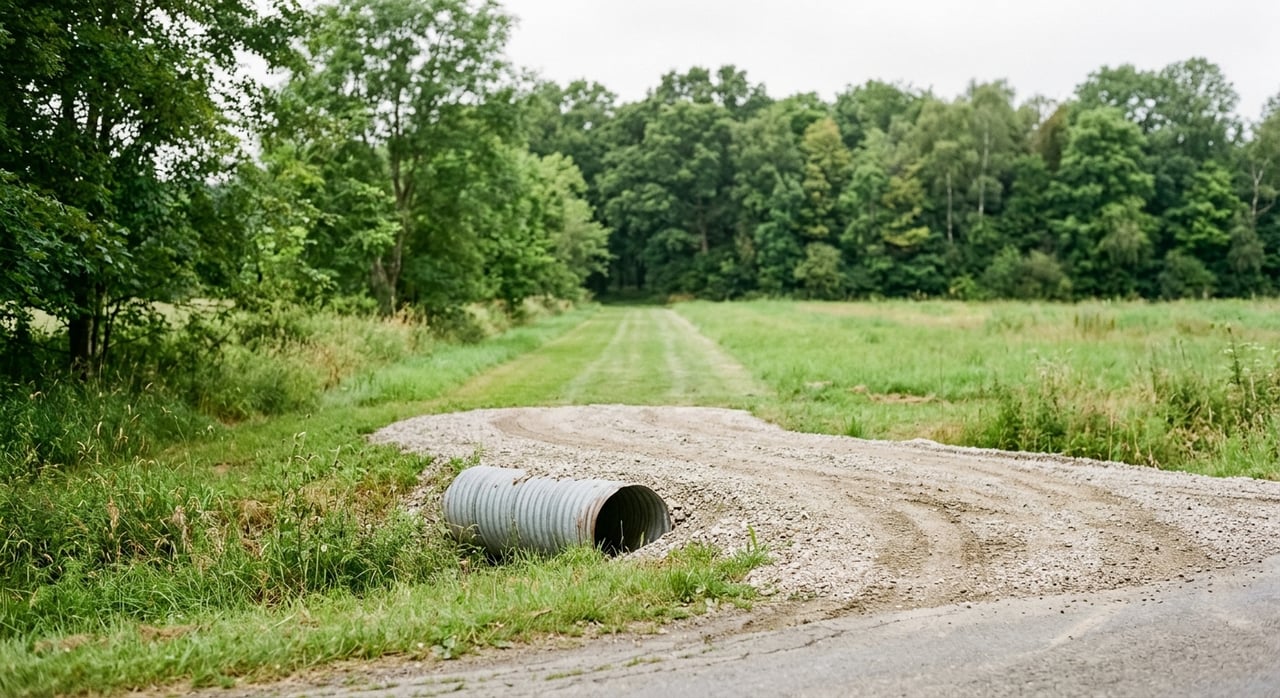
Wondering how to get the best price for your land in Grant County? Selling acreage is not the same as selling a house, and small details can have a big impact on value, marketability, and buyer confidence. If you are preparing to sell farmland, vacant land, or a mixed-use tract, this guide will help you focus on the issues that matter most before your property hits the market. Let’s dive in.
Know what drives value in Grant County
Grant County has a strong agricultural foundation, and that shapes how land is viewed by buyers. In the 2022 Census of Agriculture, the county had 2,264 farms covering 586,453 acres, with an average farm size of 259 acres. Cropland, pastureland, and woodland all play a meaningful role in the local land base, so buyers may be looking at your property for farming, expansion, recreation, timber, or future building potential.
That is why pricing land here takes more than checking a tax bill or using a statewide average. UW Extension notes that local sales data is the best starting point, and it also warns that average prices can be misleading. Soil type, yield potential, access, ease of farming, local demand, and restrictions like easements can all change value quickly.
Wisconsin benchmarks can still help frame expectations. In 2024, Wisconsin farm real estate averaged $6,120 per acre, cropland averaged $6,800 per acre, and pasture averaged $3,200 per acre. UW Extension also reported agricultural land sales without buildings averaging $8,937 per acre when land stayed in agricultural use and $19,083 per acre when diverted to other uses, while forest land averaged $3,668 and $5,793 per acre depending on use.
Start with zoning before pricing
One of the biggest mistakes land sellers make is marketing a parcel based on what they assume it can do, instead of what the zoning actually allows. In Grant County, zoning rules can directly affect how buyers view value, future use, and the ease of closing. Before setting a price, confirm the zoning district and what it permits.
Grant County’s Farmland Preservation district is designed to keep highly productive farmland in food and fiber production, limit non-agricultural development, and reduce land-use conflicts. Permitted uses include agricultural and accessory uses, agriculture-related uses, undeveloped natural-resource or open-space areas, and certain utility or transportation uses required by law. If your parcel falls in this district, that context matters for both pricing and marketing.
District type also matters if buyers may be thinking about splitting the property or building in the future. The county ordinance lists Agricultural A-1 parcels with a 3-acre minimum area and Agricultural A-2 parcels with a 1-acre minimum area. It also describes the R-3 district as a transition district where lots can be divided later when public sewer and water are extended.
If division is part of the conversation, do not guess. Grant County’s ordinance says any lot or parcel subject to the subdivision ordinance must get the necessary approvals before division occurs. A buyer will want clear answers, and uncertainty can slow down or weaken offers.
Verify access and frontage early
Access issues can derail a land sale faster than almost anything else. A parcel may look attractive on paper, but if legal or physical access is unclear, buyers and lenders may hesitate. That is why access should be reviewed before the listing goes live.
Grant County’s zoning permit process states that landlocked parcels must have a 66-foot easement width or an easement already in existence before the town adopted comprehensive zoning in order for a zoning permit to be issued. If your parcel is not served by direct road frontage, gather your easement documents now. It is far better to answer those questions up front than during negotiations.
Frontage also affects how usable a property is. Grant County’s highway requirements set minimum setbacks from the centerline at 110 feet for federal and state highways, 70 feet for county highways, and 50 feet for town, village, and city highways. If you are marketing the property for a homesite or split potential, those setbacks should be checked before presenting it that way.
If the parcel fronts a state trunk highway, access may also be subject to WisDOT access-management rules. Those rules control driveway location and spacing for safety and long-term property value considerations. In practical terms, that means a property with highway frontage may still need extra review before a buyer assumes a new access point is possible.
Check shoreland, floodplain, and permit issues
Natural features can add appeal to a property, but they can also add restrictions. In Grant County, shoreland zoning applies within 300 feet of a navigable waterway. Floodplain zones are FEMA-defined, and the county notes that if setbacks are uncertain, a survey may be required.
This is important because buyers often pay more for perceived flexibility. If part of the property is in shoreland or floodplain areas, those limits should be understood before you market the parcel as buildable or easily divisible. Clear information helps protect your asking price from later renegotiation.
Permit-related questions matter too. Grant County’s permit instructions state that new driveway or access points need a town driveway permit. If a future buyer is likely to need a new entrance, that should be part of your preparation.
Confirm utilities and buildability
Utility questions come up in almost every acreage sale. Even buyers focused on farming or recreation often want to understand future options. The more clearly you can document utility status, the easier it is for buyers to evaluate the property.
Grant County’s zoning permit application asks whether the parcel has private sewer and well or sewer and water utility, and whether electric service is present. If a structure will have internal plumbing, the county says a sanitary permit is required before the zoning permit. That means septic feasibility is not just a side note. It is part of whether a parcel can realistically support a future building site.
If the property has a private well, it is smart to investigate its condition early. Wisconsin DNR says state law does not require a well inspection or water testing at transfer, but a licensed well professional can inspect the well and pressure system and provide water sample results. If the well is older, unused, or there may be water-quality concerns, finding out before listing can help you avoid surprises later.
Build a strong land listing packet
Buyers are more confident when a land listing comes with organized information. Grant County’s land records system is a strong place to start. The county says its web portal can show parcel records and permits, and its land information plan notes that parcel records may include tax year, property type, municipality, property and billing addresses, an abbreviated legal description, tax information, assessments, and permits.
A strong seller packet should gather the key facts a serious buyer will ask for right away. That often includes:
- Parcel ID
- Legal description
- Survey or tie sheet
- Zoning district
- Floodplain or shoreland status
- Access and easement documents
- Utility availability
- Well or septic reports, if available
- Permit history
Having this ready helps buyers evaluate the property faster and can reduce avoidable back-and-forth. It also signals that you are serious, transparent, and prepared.
Price by land type, not just total acres
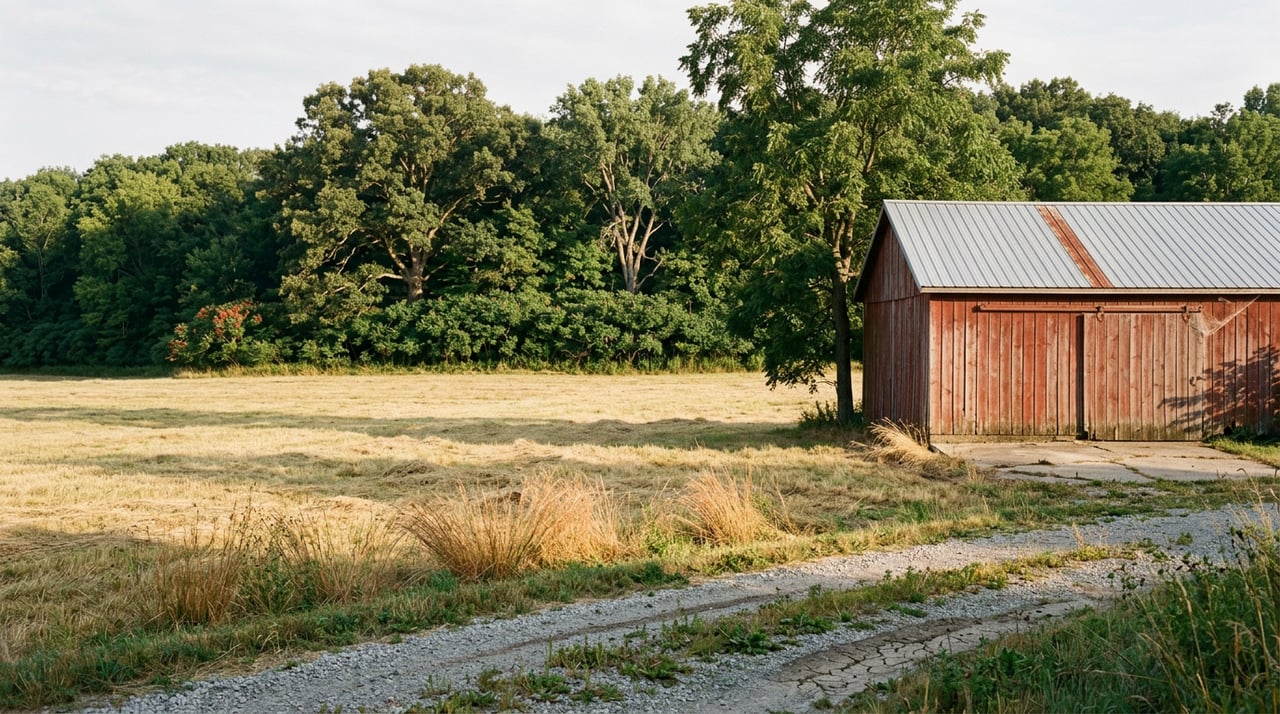
Not all acres contribute equally to value. A mixed parcel with tillable ground, pasture, woods, and restricted areas should not be treated like a flat, uniform tract. Buyers usually break down a property by how each section can be used.
That is especially true in Grant County, where local land use is diverse. Cropland, pastureland, and woodland each attract different buyer priorities. Some buyers may focus on productivity, some on access and future building options, and others on recreational or timber potential.
Wisconsin’s agricultural assessment guide adds another layer here. Agricultural land is valued based on its agricultural use rather than fair market value, while undeveloped land and agricultural forest land are assessed at 50 percent of full value. The guide also notes that residential classification can include vacant land whose most likely use is residential development, and it discusses agricultural land conversion charges when land changes to other uses.
In short, assessed value is not the same as market value. A smart pricing strategy should reflect actual buyer demand, zoning realities, and parcel-specific strengths.
Market the property by likely buyer use
The best land listings do not present acreage as generic open ground. They show buyers why the property matters for their goals. That starts with identifying the most likely use cases and building the marketing around them.
For example, tillable acreage should highlight the productive ground and ease of access. A parcel with road frontage and utility potential may appeal to buyers looking for a homesite or small development opportunity, if zoning and permit conditions support that use. Wooded land may attract buyers interested in timber value or recreation.
Neighboring owners can also be part of the buyer pool. In a county with a large agricultural footprint, adjacent owners may see strategic value in expansion, access, or assemblage. When your property is presented clearly, it is easier to connect with the right audience.
Prepare timing around visibility and paperwork
Timing matters in land sales, but not always for the same reasons as a home sale. The best time to list is often when buyers can clearly inspect the land for its primary use and when key paperwork is already in order. That can create a smoother showing process and more confidence in the asking price.
For tillable land, conditions after harvest or during times when drainage, access, and field layout are easier to evaluate may help buyers see the property more clearly. For wooded or mixed-use tracts, visibility of boundaries, easements, and access routes is equally important. No matter the season, unresolved survey, zoning, or utility questions can weaken momentum.
Why expert guidance matters
Selling land takes a different level of preparation than selling a house. You are not just presenting a property. You are answering questions about use, restrictions, access, permits, and future potential.
That is where a local, hands-on approach matters. When your listing strategy is built around facts, strong documentation, and realistic buyer expectations, you are in a much better position to attract serious interest and protect your price.
If you are preparing to sell land or acreage in Grant County, working with a local advisor can help you sort through the details before they become obstacles. Reach out to Rose Bowen-Conlon for high-touch guidance, smart pricing support, and a marketing plan built around your property’s real value.
FAQs
What should you gather before selling land in Grant County?
- Start with the parcel ID, legal description, survey or tie sheet, zoning district, access documents, utility information, floodplain or shoreland status, and any permit, well, or septic records you have.
How is land value determined in Grant County?
- Land value depends on local comparable sales, soil and productivity, access, ease of farming, zoning, easements, restrictions, and the property’s most likely use.
Why does zoning matter when selling acreage in Grant County?
- Zoning can affect whether land can be divided, built on, or kept in agricultural use, which directly influences who will buy it and what they may be willing to pay.
What access issue can affect a Grant County land sale?
- If a parcel is landlocked, Grant County says a zoning permit generally requires a 66-foot easement width or an older qualifying easement already in existence before the town adopted comprehensive zoning.
Do utility and septic details matter when selling vacant land in Grant County?
- Yes. Buyers often want to know whether electric service, well, sewer, or septic options exist, and septic feasibility can be part of whether a parcel is considered buildable.
Should you use assessed value to price land in Grant County?
- No. Assessed value and market value are not the same, especially for agricultural and undeveloped land, so pricing should be based on parcel-specific market data and property characteristics.